
"topical treatment"
600 article(s) found

A brief introduction to the History and Culture of the Origin and Development of El Salvador Himalaya Coffee
The first El Salvador to drink is washed beans, medium-shallow baked, warm and gentle, smooth entrance, sour and sweet mellow thickness are very regular, do not have too prominent flavor characteristics, so do not leave too much impression. But the flavor of tanning El Salvador becomes very recognizable and amazing. The dry aroma after grinding gives off a pleasant heat.

Suitable for hand-brewed coffee beans recommended in Ethiopia's Yega Sheffield Damorim producing area.
Professional coffee knowledge exchange more coffee bean information please follow the coffee workshop (Wechat official account cafe_style) Ethiopia Lim Teana sun treatment method AFCA third suitable for hand-brewed coffee beans ★ strawberries, passion fruit, wine ripe fruit, aftertaste delicate and charming coffee country: Ethiopian coffee producing area: Lim producer: Teana coffee variety: local

Introduction to the flavor and taste of the balanced and soft El Salvador Himalayan Coffee Manor
El Salvador's coffee accounts for 40% of the country's exports, and it is usually picked in November, December and January-March of the following year. The export of raw beans lasts almost all year round. Coffee is produced in seven of the country's 14 provinces, with the largest number in the northwestern provinces of chalatenango and santa ana. The coffee produced in El Salvador is 100% Arabica, of which 68% is

Wen Runping and Salvadoran coffee flavor and taste characteristics of the manor introduction to Mercedes Manor
El Salvador's coffee accounts for 40% of the country's exports, and it is usually picked in November, December and January-March of the following year. The export of raw beans lasts almost all year round. Coffee is produced in seven of the country's 14 provinces, with the largest number in the northwestern provinces of chalatenango and santa ana. The coffee produced in El Salvador is 100% Arabica, of which 68% is

Introduction to the flavor of Salvadoran coffee the characteristics of Salvadoran coffee in Salvadoran coffee producing area
El Salvador's coffee accounts for 40% of the country's exports, and it is usually picked in November, December and January-March of the following year. The export of raw beans lasts almost all year round. Coffee is produced in seven of the country's 14 provinces, with the largest number in the northwestern provinces of chalatenango and santa ana. The coffee produced in El Salvador is 100% Arabica, of which 68% is

Introduction to the characteristics of Mercedes Manor with moderate Sweet and sour El Coffee Bean Flavor
El Salvador's coffee accounts for 40% of the country's exports, and it is usually picked in November, December and January-March of the following year. The export of raw beans lasts almost all year round. Coffee is produced in seven of the country's 14 provinces, with the largest number in the northwestern provinces of chalatenango and santa ana. The coffee produced in El Salvador is 100% Arabica, of which 68% is

Ethiopia Yega Xuefei "Holy Grail 2017" Sun how to drink Yega Chefe Coffee
For professional baristas, please follow the Grail of Holy Grail 2017 in the Coffee Workshop (Wechat official account cafe_style). His original name is Yegashev, Ethiopia. Koke Grade 1 Phoenix Coffee from Taiwan got a high score of 97% for COFFEE REVIEW in 2009, which is washed beans. The Fengzhan firm he opened has achieved good results every year, which is worth learning! Behavior of Phoenix exhibitors

Smooth entrance Salvadoran coffee estate producing area Flavors Taste characteristics Introduction Salvadoran coffee
Salvadoran coffee accounts for 40 per cent of the country's exports and is picked in November and December and from January to March of the following year. Green bean exports continue almost throughout the year. Coffee is produced in seven of the country's 14 departments, with chalatenango and santa ana in the north-west the most abundant. El Salvador produces 100% Arabica coffee, of which 68% is Arabica.

Introduction to the flavor and taste of Salvadoran coffee manor characteristics of Salvadoran coffee beans
The Republic of El Salvador, located in the north of Central America, is the most populous country in Central America. The country is bordered by Honduras to the north, the Pacific Ocean to the south and Guatemala to the northwest. The national economy is dominated by agriculture, and the main crops are coffee and cotton. El Salvador is also one of the birthplaces of ancient Mayan culture, with not only distant culture, but also volcanoes, plateau lakes and Pacific coast.
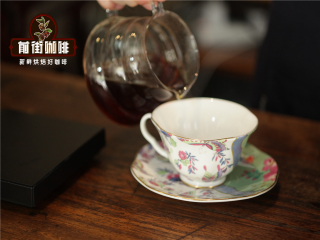
How to choose household coffee beans? how to easily pick your favorite coffee beans?
In the face of a variety of coffee beans on display from coffee shops, I think of the scene when I was a child in front of soy sauce shelves. After hearing the recommendation of my friend, I happily bought the brewing equipment and decided to make my own coffee at home to add a little sense of life rituality. unexpectedly, I didn't expect the coffee beans lined up by bean shelves before they had finished depicting them.

The flavor and taste of Salvadoran coffee the characteristics of the manor producing area introduce Salvadoran coffee
El Salvador's coffee accounts for 40% of the country's exports, and it is usually picked in November, December and January-March of the following year. The export of raw beans lasts almost all year round. Coffee is produced in seven of the country's 14 provinces, with the largest number in the northwestern provinces of chalatenango and santa ana. The coffee produced in El Salvador is 100% Arabica, of which 68% is

Introduction to the export grindability treatment method for the flavor characteristics of Yunnan coffee beans
Yunnan coffee flavor describes the first coffee seedling in China, which was cultivated and planted by French missionary Father Tian in 1892. At that time, he spread the gospel and benefited the people in Zhu Kula Village, Pingchuan Town, Binchuan County, Dali Prefecture, Yunnan Province. Zhu Kula Village is known as the first Coffee Village in China. Although the residents here do not rely on coffee as the main means of survival, every household drinks coffee.
Guatemala Antigua Coffee beans / Powder Azotea Manor SHB Chocolate Sweet Coffee beans recommended
For more information on coffee beans, please pay attention to the Coffee Workshop (official Wechat account cafe_style). Antigua Coffee, Guatemala is located in the middle of North and South America. Antigua Island (Antigua) is a famous producer of coffee. Rich volcanic soil, low humidity, strong sunlight and cool night winds are the Antigua region.

Rich aroma of Salvadoran Coffee Manor flavor and taste characteristics of Renas Manor
El Salvador's coffee accounts for 40% of the country's exports, and it is usually picked in November, December and January-March of the following year. The export of raw beans lasts almost all year round. Coffee is produced in seven of the country's 14 provinces, with the largest number in the northwestern provinces of chalatenango and santa ana. The coffee produced in El Salvador is 100% Arabica, of which 68% is

El Salvador coffee bean flavor taste manor area introduces boutique coffee Salvadoran coffee
El Salvador's coffee accounts for 40% of the country's exports, and it is usually picked in November, December and January-March of the following year. The export of raw beans lasts almost all year round. Coffee is produced in seven of the country's 14 provinces, with the largest number in the northwestern provinces of chalatenango and santa ana. The coffee produced in El Salvador is 100% Arabica, of which 68% is

Introduction to Mercedes Manor with smooth entrance to El Salvador Coffee Bean Flavor
El Salvador's coffee accounts for 40% of the country's exports, and it is usually picked in November, December and January-March of the following year. The export of raw beans lasts almost all year round. Coffee is produced in seven of the country's 14 provinces, with the largest number in the northwestern provinces of chalatenango and santa ana. The coffee produced in El Salvador is 100% Arabica, of which 68% is

Citrus citric acid Panamanian jadeite manor coffee flavor description grinding scale variety characteristic treatment method
Panamanian Emerald Manor introduced the obscure export of Kenya from Geisha Mountain Mountain in southwestern Ethiopia (which happens to be synonymous with Japanese geisha) in 1931, wandered around Tanzania and Costa Rica, transplanted to Panama in the 1960s, and then survived nearly half a century before it became a blockbuster, defeating the victorious armies such as Bourbon, Kaddura, Kaduai, Tibica and so on.

The rich aroma of Salvadoran coffee introduces the coffee producing area of El Salvador.
El Salvador's coffee accounts for 40% of the country's exports, and it is usually picked in November, December and January-March of the following year. The export of raw beans lasts almost all year round. Coffee is produced in seven of the country's 14 provinces, with the largest number in the northwestern provinces of chalatenango and santa ana. The coffee produced in El Salvador is 100% Arabica, of which 68% is

The sour, sweet and mellow thickness is very regular and the flavor of Salvadoran coffee.
El Salvador's coffee accounts for 40% of the country's exports, and it is usually picked in November, December and January-March of the following year. The export of raw beans lasts almost all year round. Coffee is produced in seven of the country's 14 provinces, with the largest number in the northwestern provinces of chalatenango and santa ana. The coffee produced in El Salvador is 100% Arabica, of which 68% is

Introduction to the characteristics of boutique coffee beans in the manor area with sour and sweet taste and mellow thickness
El Salvador's coffee accounts for 40% of the country's exports, and it is usually picked in November, December and January-March of the following year. The export of raw beans lasts almost all year round. Coffee is produced in seven of the country's 14 provinces, with the largest number in the northwestern provinces of chalatenango and santa ana. The coffee produced in El Salvador is 100% Arabica, of which 68% is